



Introduction
Often overlooked and yet potentially as troublesome as any other aspect of the kitchen – from providing clean, safe water to clearing up the mess – from food preparation to everything coming back from the table. With increasing regulation and awareness – not least because of the impact on the environment but also protecting safe water systems.
The purpose of this Manual is to introduce the background regulations, explain the way appliances work – and give our customers an explanation as to how we will respond in given situations.
David Meacock
July 2025
Regulations
In the UK, water Is overseen by the Water Services Regulatory Authority better know as OFWAT.
The Water Industry has two main concerns :
1) Clean Supply – and ensuring that nothing can affect the quality and safety of our water. The effect of this is to require installers to be qualified – or to have new installations to be notified to the local water supplier – and inspected.
Among other simple requirements – non-return valves, approved mixer taps – and a flexible spray hose must not be able to touch the fill level of a sink…
Links
2) Running Drainage – governed by the Building Regulations 2010 and, specifically relevant to our industry, ensuring that cooking fats and grease do not enter the sewer systems. (commonly referred to as Fats, Oils & Grease – FOG)
Advice in this field is not an area of MCFT expertise – but we know a man who can: Geof Elvyhart at Goodflo is on the UK FOG Forum and an international expert.
Links
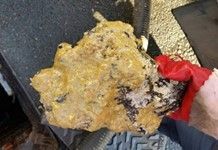
Thames Water contacted pub 15 times about its kitchen before taking it to court for “sewer abuse”
A Henley-on-Thames pub and its landlord have been fined more than £16,000 for allowing cooking fat and oil to enter the sewer network. Link.
Legionella
Not normally something we come across in commercial kitchens but with lockdown and premises & equipment lying idle for extended periods, this has become a risk.
Guidance from Institute of Environmental Health.

Water companies
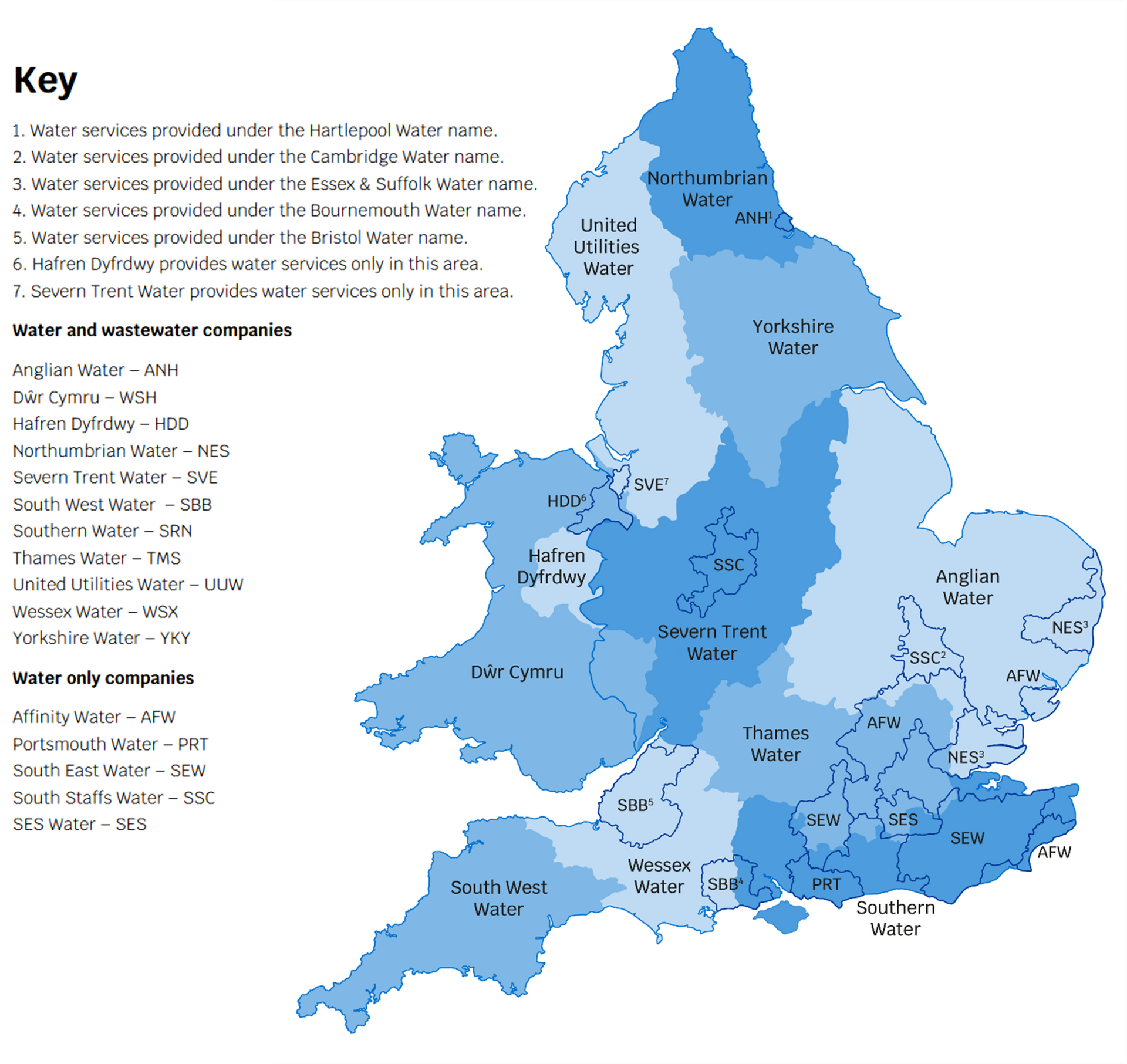
Water and/or sewage is provide by water companies in the UK, these are the primary contacts for all supply or drainage issues and, along with the Environment Agency, will inspect and police same :
https://www.ofwat.gov.uk/households/your-water-company/
https://en.wikipedia.org/wiki/United_Kingdom_water_companies
Chlorination
Before any connection of a new system to the mains water supply and as required by changes thereafter, the system will need to chlorinated.
NB see below, any water softeners must be disconnected prior to chlorination procedures.
Softeners, Filters and Reverse Osmosis
Assuring that the water is clean is not the end of the challenge when it comes to use with catering equipment – the presence of salts and other impurities can significantly affect the quality of output (clean glasses) and, especially, the maintenance costs and life of equipment.
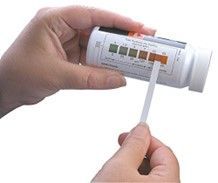
Before installation of any new equipment, tests should be made to ascertain water composition – hardness but also chlorides – one of the few compounds which will affect stainless steel, especially when heated.
A customer needed to replace their combination oven and looked to save money by using an oven injecting water directly onto the elements. In a similar spirit of saving money, they looked to continue to use the existing filter arrangement. What had not been tested was the chloride content – chloride is one of the few chemicals which will corrode stainless steel – and this method of steam generation makes it all the more corrosive. Within a year, the combi oven needed replacement.
Water softeners
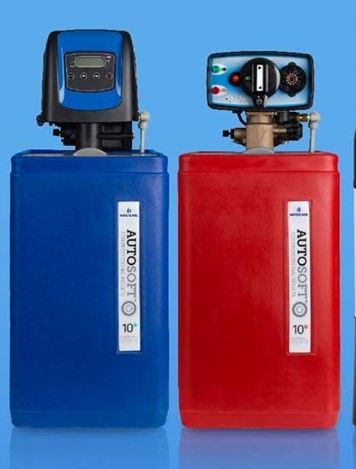
Work by removing calcium, magnesium and others by ion-exchange resins. These in turn need regenerating by flushing through with salt. Softeners can be manual (requiring manual regeneration) or automatic, large or small, mounted in the machine or external – but all will require monitoring to ensure that salt levels are maintained – else they will fail and machines will scale up.
Appropriate softeners can also handle hot water – useful when a dishwasher uses a hot feed to allow faster wash cycles – see ware-washing section. NB hot water supply to these will have a maximum limit – often 50C; higher temperatures will damage the softener.
Entire building water supplies can also be softened – commonly called Central Softened Water of Point of Entry systems – Culligans are respected global providers: water still needs to be tested for chlorides and it’s not unusual for central systems to fail or not be maintained, resulting in problems in the kitchen.
Manual or automatic, the key with softeners is that they require attention – if no-one is topping up the salt, they will be useless – and cause very expensive maintenance issues.
NB Potable water should not be softened.
NB softeners must be isolated if any chlorination process – chlorine will oxidise the resin beads and half the life of the resin.
Filters
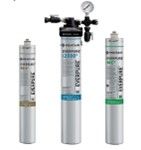
Filters remove impurities by means of a fine physical barrier – which might be a membrane or a medium – activated carbon is common.
Sediment filter
Sediment filters remove visible particulate matter, and any particles of dirt, sand, dust, and debris that can be caught by its micron-rated capacity. Sediment filters also remove turbidity from water. Turbidity is the cloudiness caused in water by the heavy presence of suspended solids. This causes water to turn yellow, orange, or brown.
Calcium Treatment Unit
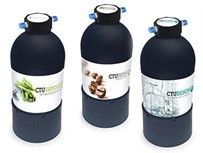
Calcium treatment units (CTUs) facilitate the removal of chlorine, limescale, heavy metals - lead, copper, mercury from water – the invisible elements.
Filters need to be specified for the particular application – ice machines, beverage machines, combination ovens etc – and be appropriately sized to expected usage.
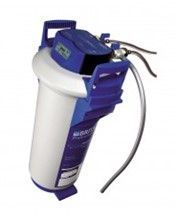
One of the biggest challenges is knowing when to chance filters. Some providers – Brita most notable – provide meters which show consumption and expiry. Most rely on an estimate of time – say six-monthly – and very often get overlooked. At the least, filters should have date change recorded with a sharpie.
NB Conductivity: some appliances – ice machines and dough retarders, use the conductivity of water as part of their operating processes; softened water will impair conductivity – such appliances must only be used with filters.
NB Coffee fans will confirm that softened water affects the taste of coffee – these should only be used with specific filters or RO machines
NB Don’t use filters on dishwashers – it will end up very expensive.
Reverse Osmosis (RO)
Even with softeners and sediment or CTU filters, some impurities remain and can affect the taste of coffee or the spotless drying of wine glasses or cutlery.
In these situations, an RO filter may be the answer – not inexpensive to buy and expensive to maintain – these can have from two to five filters, all of which need changing either annually or up to five-yearly:
- Sediment pre-filter
- Granular Activated Carbon (GAC) filter
- Ultrafine reverse osmosis membrane
- Prolonged contact time (PCT) filter
- Carbon polishing post filter
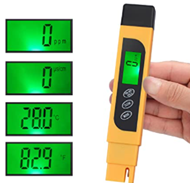
You will need to measure water conductivity with a tester to check units are working – microsiemens per centimetre anyone??
Desalinated Water
We come across this in the Gulf where the water supply is all derived from the sea; whist potable, it needs further treatment to be used for example for coffee machines – RO filters are preferred.
Water hoses
Note that food-grade hoses must be used for potable water on beverage appliances and ice machines – blue hoses (used for dishwashers) can and do break down, releasing black rubber into the water supply.
Water pressure
Dishwashers, combi ovens, ice machines, coffee machines – in fact most appliances will be sensitive to incoming water pressure – needing neither too much nor too little. This will be specified by the manufacturers instructions and we will communicate same whenever quoting new equipment to customers.
As with all provision of services, appropriate supply is down to the customer – our scope is from the safe isolation within one metre of the appliance. All installations will test for correct water pressure before connection and commissioning. (With notice, MCFT may be able to assist in reducing pressure by fitting a valve, they will not normally be able to assist with raising pressure.)
All MCFT connections to water or waste supplies will be carried out by WIAPS accredited technicians.
Combination oven, needing supply between 1.5 and 6 Bar, connected to 8 bar pressure and consequently leaking. Solution: pressure-reducing-valve (PRV).
Water Temperature
Hot
Dishwasher cycle times can be significantly enhanced by using a hot water supply – with certain caveats:
- Temperature needs to be within a specified range, often 50°C – too hot can cause damage.
- Pressure may be an issue – some hot water systems may not have sufficient pressure.
- Supply may be an issue – the risk of draining down the hot water supply to the rest of the kitchen or building.
- Distance may be an issue – we’ve had machines so far from the hot water supply that, on initial fill, the tank is measured as tepid and consequently the machine does not operate.
24 under-counter dishwashers scrapped after a year because the incoming 70°C water ruined the internal water softeners.
In an Airline lounge at Heathrow the 70°C water made the fill soleniod valve fail / let by causing the machine to overfill all the time flooding the floor at night.
Cold
Not normally an issue in temperate climes, we experience real challenges with ice machines in the Middle East because of the very high ambient “cold water” temperature. In effect, the water has to be pre-chilled before it can create ice.
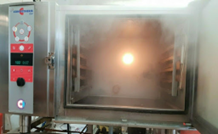
Combination ovens use dry heat or steam or a combination of both. Inherently, they require a clean, pure water supply and, sometimes forgotten, waste. Some generate steam by spraying water directly on to the elements, some by using a water boiler - which therefore needs time to get to a working temperature – and needs emptying at the end of a shift – a considerable volume of very hot water, typically requiring an air break (usually a tun dish) and special fittings to withstand the heat.
In either case, pure water is imperative – the consequences of untreated water and scale are very expensive. Some filter manufacturers make specific filters for combi and steam ovens.
While some ovens can be operated without a filter because the oven incorporates a cleaning and descaling cycle – these cleaning regimes must be adhered to.
Pressure Boilers
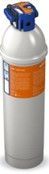
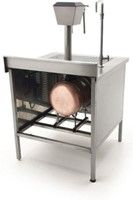
Water boilers, pressure steamers, coffee machines all may have pressure vessels within them – and consequently require annual inspection with an insurance assessor. One of the points on which pressure vessels fail inspection is scale – which may significantly affect safety devices, in particular.
In recent years, there has been a movement away from traditional pressurised water boilers, in part due to the cost of maintenance – the insurance inspection is enabled by a catering technician and, during the inspection, all seals are replaced – significant work.
Beverage – including Coffee
Water boilers and coffee machines risk significant and rapid scale if not protected by filters – think of your kettle at home – with the added complication of taste.
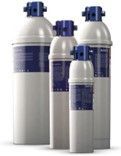
As previously noted, some manufacturers produce specific filters for beverage appliances.
Ware-washing
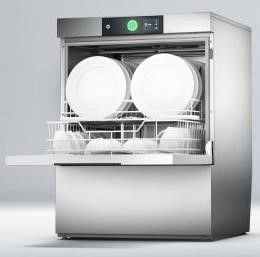
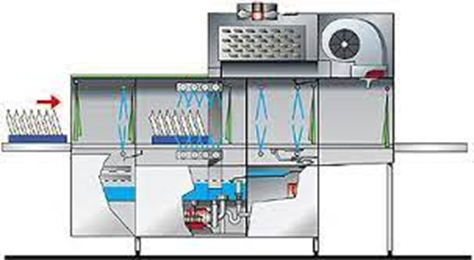
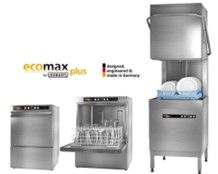
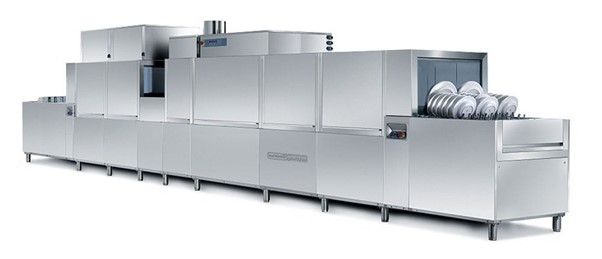
Includes glass-washers, dishwashers (under-counter, pass-though, rack conveyor and flight conveyor) as well as utensil washers.
How they work
The basic principles are simple:
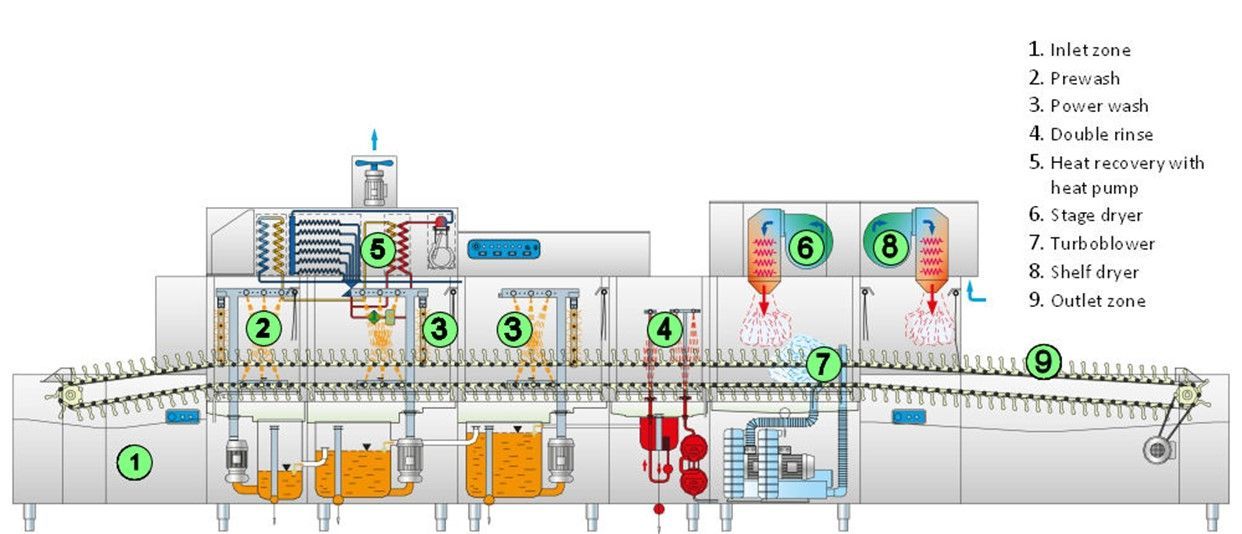
- Water, together with detergent, is pumped through a wash jet directed at the plates, cutlery, glasses or cookware; larger machines may include a pre-wash.
- NB wash tanks should run at a temperature between 49-60°C
- NB rinse tanks should run 73°C for 3 mins or 82-88°C for 2 mins to sanitise
- NB machines designed for hospital wards will run even higher temperatures in order to sterilise – and may even have a cold rinse to cool crockery to avoid injury.
- once washed, fresh hot, potable water is then used to rinse and
- finally there may be a drying function.
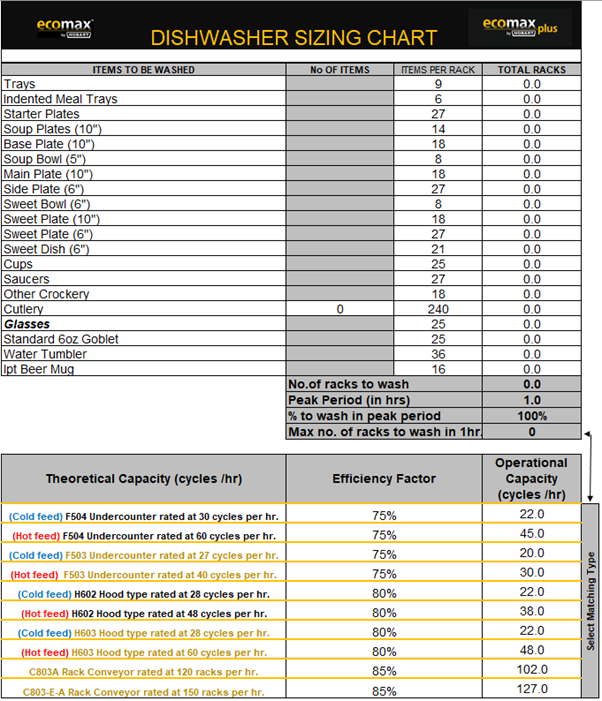
Capacity is specified by calculating use :
(Number of Covers) x (Average composition of a “cover” or place setting e.g. three plates, four items of cutlery, one glass etc) in a given time period – say lunch service – 12:30 to 14:30 = 120 mins (this does assume there is accumulation space for temporary business peaks)
Medium or heavy-duty ?
Consideration will then be given to hours of use
(7 days, B/L/D or just 5 days of light use over lunch)
Location
Noise may be an issue – not all dishwashers are insulated or double-skinned, all will be significantly noisier than domestic machines.
Water supply
As noted elsewhere, wash cycles can be speeded up by having a hot water supply; this doesn’t need to be soft water – but it does need the right temperature and pressure.
Rinse will need a supply of potable water.
Heat recovery systems
Using heat exchangers to gather heat from the outgoing wash water – or the heat from the rinse and drying tunnels to heat incoming water. These add more to initial cost and speed of payback will be dependent on how much machines are used – if used a lot, they can pay back within 18 months, if not, they may not be worth it.
Power
Often takes people by surprise; yes, smaller machines can run on 13am single phase but if you really are looking for quick wash cycles, you will need significantly more power. Careful this is checked before you commit. (Many machines now come with the flexibility to be set up for single or three-phase – but you will not get the same performance.)
Rack conveyor and Flight dishwashers
Hobart Rack Conveyor dishwasher video
Tea and Coffee cups
If left to dry, tea cups and sometimes coffee cups will be stained by tannin. The dishwasher will not remove tanning stains – cups will need to soaked in stain remover before being washed. All the significant detergent providers will offer such a product.
Glass-washing
Effective glass-washing needs clean filtered water – and then the absence of food waste – especially protein – in the wash tank – you cannot successfully wash crockery and glasses in the same wash water. (Remember that commercial dishwashers, unlike domestic dishwashers, retain the wash water.) If you need to use one machine for both, then the machine will have to be emptied and cleaned before putting glasses through. Often the solution is to pair a pass-thought dishwasher for crockery and an under-counter for glasses – and maintain that separation.
Utensil Washers
These range from under-counter to large and heavy-duty, designed to wash and sanitise pots, pans and containers – using the same principles as other ware-washing – just more so – bigger wash, stronger pumps.
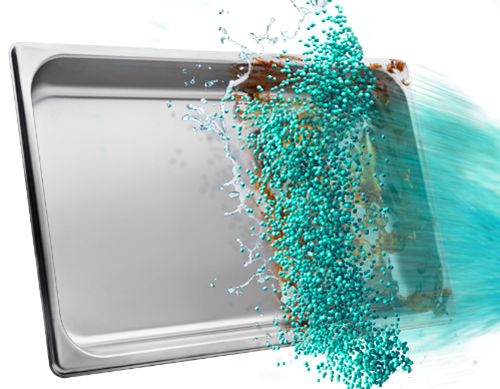
Even then it can be difficult to remove baked-on soil from dishes – and some manufacturers – notably Granuldisk – use granules to add to the abrasive, mechanical clean.
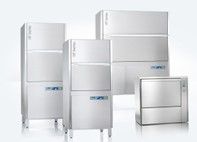
This is paragraph text. Click it or hit the Manage Text button to change the font, colour, size, format and more. To set up site-wide paragraph and title styles, go to Site Theme.
Condense Canopies and Extraction
Some dishwashers will have integrated ventilation canopies, most will not and will require a stainless steel condense canopy – depending on use, this could be connected to extract ventilation (usually with a simple egg-crate grille rather than a filter) or just left static.
Larger, rack-conveyor dishwashers will have an extract – separated by an air gap to prevent drawing all the heat from the machine – to take steam away. Ductwork must be stainless steel – the detergent chemicals in the steam will corrode galvanised ductwork within a year in some cases.
Heat pump Rack and Conveyor machines do not require a canopy- they condense the steam and use heat transfer to preheat the rinse water.
Common Operator Issues
Loading
Heavy soil should be scraped off plates before loading into the rack and then plates washed down using a pre-rinse.
Racks must be stacked properly, obstructions will prevent proper cleaning; cutlery baskets must not be over-stacked and should be loaded handle first.
Winterhalter video on how to load dishwash racks
One of the frequent mistakes we see on rack conveyor machines is taking the scrapping trays out and putting them through the machine at the end of shift – just negating their whole purpose.
The machine should be drained and only then the trays/baskets/filters taken out – and they must be replaced as soon as damaged.
Machine cleaning
Despite scrapping and pre-rinsing a lot of food ends up in the machine and will need removal by the operator after each shift.
Scrapping trays, strainer baskets and wash-jets (fixed or rotating) will all need regular inspection and cleaning. NB all must be correctly re-seated or the machine will not operate correctly. (In particular, poorly seated or missing strainer baskets may prevent the machine from filling.) In rack-advance machines there will also be curtains separating the various compartments – these need cleaning and re-instating.
Hobart video on how to clean a dishwasher
The first task should be to check that there are sufficient chemicals (detergent & rinse aid) as well as salt in the softener.
Chemicals
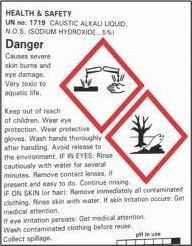
The first thing to emphasise is that commercial dishwasher detergent is extremely caustic and should be treated very carefully. COSHH Sheets are available and should be followed, gloves and googles must be worn when working on equipment containing these chemicals.
The second thing to emphasise is that poor wash quality is often through lack of detergent and/or rinse aid. These will both also be affected by poor water quality.
It’s good practice to have a regular start of shift routine:
- Check strainer baskets are seated
- Spin the wash arms and check jets clear
- Check adequate chemicals and pumps working
- Check salt in the softener – important that integral machines are used in order to clear salt spillages else corrosion will occur.
Peristaltic Pumps
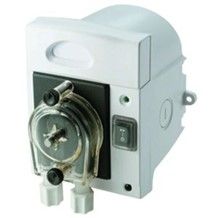
The domain of the detergent supplier – and often the subject of confusion. Usually wall-mounted, these simply dose detergent and rinse-aid as called by the machine. From time-to-time components need replacement or units fail.
Ice Machines
How they work - How Hoshizaki ice machines make ice
(NB not all makers use the same technology)
Types of Ice

What goes wrong
Water inlet
- Correct water pressure, too low or too high causes failure
- Blocked water filter causes pressure to drop causing failure, change filters regularly
Cleanliness – Ice is classed as a foodstuff – a lot of people ignore that this will ingested!
- Ice hoppers can be feeding ground for mould and slime
- ice bins should be cleaned out regularly
- only use scoop – not hands and nothing breakable E.g. glasses, cups or bowls (cause drainage issues , drain pumps etc.)
- we regularly find drinks – cans, bottles – even ice creams in ice bins – and do not empty ice buckets back into the hopper – once removed, it should be poured away.
- Again changing that water filter regularly.
- Get incoming water tested if problem persists
Examples
- Big Manitowoc ice machine. No filter, slime build up on call out. sanitised and descaled. Quote for filter not accepted. Service 3 months later all the slime and mould is present again.
- Failed ice quality testing. Ice machine stripped down, cleaned and descaled – failed ice quality testing. Incoming water found to be issue.
Scale
- Causes failures in all areas of the ice machine
- blockages in water system (solenoids pumps etc.)
- insulates water level pins (water tray, ice thickness sensors, drain pump sensors)
- Change that water filter !
Examples
- Drain pump water level pins scaled on Scotsman ice machines – make one batch and fails.
Drainage
- Should have a water gap to prevent bacteria traveling back up drain
- This includes external drain pumps as they are usually placed on floor and are popular breeding grounds for slime and bacteria.
Examples
Prestigious college – called to leaking ice machine, found drain blocked down-stream from upstand and drain house pushed straight down into upstand.
Ice Machine User Guide
Location: put it somewhere:
- you can get to it to clean and
- where it can breathe – all refrigeration needs good air movement – a closed storeroom will be as bad as blocked grilles. A dishwash area with steam, yeast from a pub cellar – all sub-optimal!
Cleaning, cleaning, cleaning
- Videos on cleaning Scotsman Ice Machines
- See Appendix E for Hoshizaki Guide to Ice Hygiene
Do not store anything else in the ice bin – do not return ice to the bin once taken out.
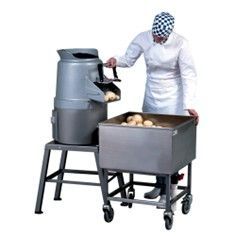
Potato Rumbler
Potato rumblers – or potato peelers – work by turning quantities of potatoes around inside an abrasive drum, washed through by water. Appliances are sizes by the weight of potatoes and should not be overloaded.
The supply needs to be potable – cold, mains water – with an air gap to avoid the possibility of back-feeding into the clear supply.
Peelings are collected in filter basket – which needs to be maintained in good condition to limit the waste which goes down the drain. Blockages are not normally an issue as long as the waste pipe is big enough (do not reduce), but cleanliness can be – important to make sure the peeler, adjacent surfaces, framework and drains are thoroughly cleaned down.
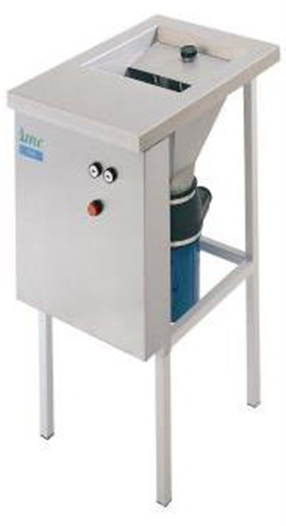
Waste disposal units
Historically, these have been viewed as the expedient way to get rid of food waste – they are now being viewed as contributing to major drainage problems and have been banned in Scotland since 1 January 2014:
“An undertaking, whether for profit or not, and whether public or private, carrying out any activity related to the processing, distribution, preparation or sale of food”.
(When a premises is used to consume food brought from elsewhere e.g. an office where staff bring in food for personal consumption, are not regarded as food businesses. However, a staff canteen where food is prepared, sold and consumed is classed as a food business. The following type of organisations are likely to be affected by the Regulations; hotels, restaurants, cafés, shopping centre food courts, canteens, public houses or shops that serve food, supermarkets, schools and colleges with canteens, prisons, nursing homes and hospitals.)
- Any urban / non-rural business or organisation which produces food waste will have a duty to ensure that it is not deposited directly or indirectly into a public drain or sewer.
- Food waste disposers such as macerators cannot be used to discharge food waste to a drain or sewer in a non-rural area where a separate food waste collection service is available.
- Systems which dewater food waste at source and store the solid material for collection and treatment are an acceptable form of management, but only if the loss of solid matter to sewers is minimal. Systems like enzymatic digesters which do not recover any organic waste prior to it going to sewer are banned under the Regulations as the food waste is all going into the sewer.
- There is no legal requirement for macerators to be removed however your organisation may choose to remove macerators to prevent staff using them and avoid the risk of a fine. Businesses are also liable to prosecution under Section 46 of the Sewerage (Scotland) Act 1968 which makes it an offence to discharge any substance into the public sewer likely to obstruct its free flow. Disposing of food waste to the drain could also result in flooding within your (and surrounding) business premises.
In addition, some waste disposal units have caused concern over electrical and mechanical issues – including one range which was recalled. They can also be liable to blockages due to anything from bones, tea bags, string or cutlery and coins – expensive and disruptive repairs. Even servicing can entail seal changes and £1000 bills.
Fat bergs and Food Waste have become significant issues on social media. The first step to waste food management is to reduce at source. There are various sources of information :
MCFT strongly recommend seeking alternative solutions, especially waste food collections.
Descaling
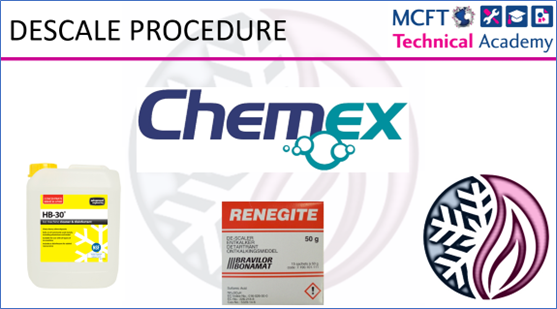
From time to time, many appliances may need descaling. MCFT assesses descale products for efficacy, safety and environmental impact and reviews same regularly. Product Data Sheets and CoSHH Risk Assessments are available for all products. Technicians are trained in appropriate use and supplied with all necessary PPE and equipment.
The process can only be carried out when appliances are cold – trying to work on hot water boilers can lead to dangerous accelerated reaction and splashing.
It’s also imperative that appliances are thoroughly flushed once the descaling has been completed – this can take significant time to complete.
Risks are extremely serious – inadvertent of descaling acid – like pipe-cleaner in pubs – can be life-threatening and cause very serious life-long injury.

Fats, Oils & Grease (FOG)
UK Water Industry Act 1991
“no person shall throw, empty or turn, or suffer or permit to be thrown or emptied or to pass, into any public sewer, or into any drain or sewer communicating with a public sewer — any matter likely to injure the sewer or drain, to interfere with the free flow of its contents or to affect prejudicially the treatment and disposal of its contents” legally interpreted to include contamination by FOG
Appliances which offer potential for discharge of FOG’s into the drainage system include:
- Combi ovens and steamers
- Fryers
- Kettle, boiling and bratt pans
- Warewashing machines
- All sinks
- Waste disposal units
- Floor gulleys
- Still room areas – coffee grounds, butter, milk
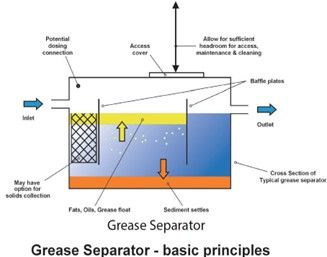
Foodservice Operators must therefore make rigorous assessments of the risk of such discharge – and implement measures to prevent and dispose of FOG other than through the drains – best practice will involve a combination of products along with a monitored, regular maintenance regime.
- Grease Separators (often called a grease trap)
- Grease Removal Units (self-emptying grease removal, into an external container)
- Biological/bacteria based dosing systems
This is not an area of MCFT expertise – we are happy to introduce specialists in providing solutions appropriate to the need:
Goodflo are a specialist business providing commercial kitchen operators and trade partners with grease management products, solutions and services for water and airborne fats, oil and grease.
Appendix A - Regulations
Summary of current UK Government policy on Water
Water Regs UK – protecting the water supply
Water Regulations Approval Scheme – getting appliances approved
Water Industry Approved Plumbers Scheme – what it says
Water Safe – find an approved plumber/installer
Appendix B - Guidance
Fats, Oils and Grease (FOG)
Foodservice Equipment Association
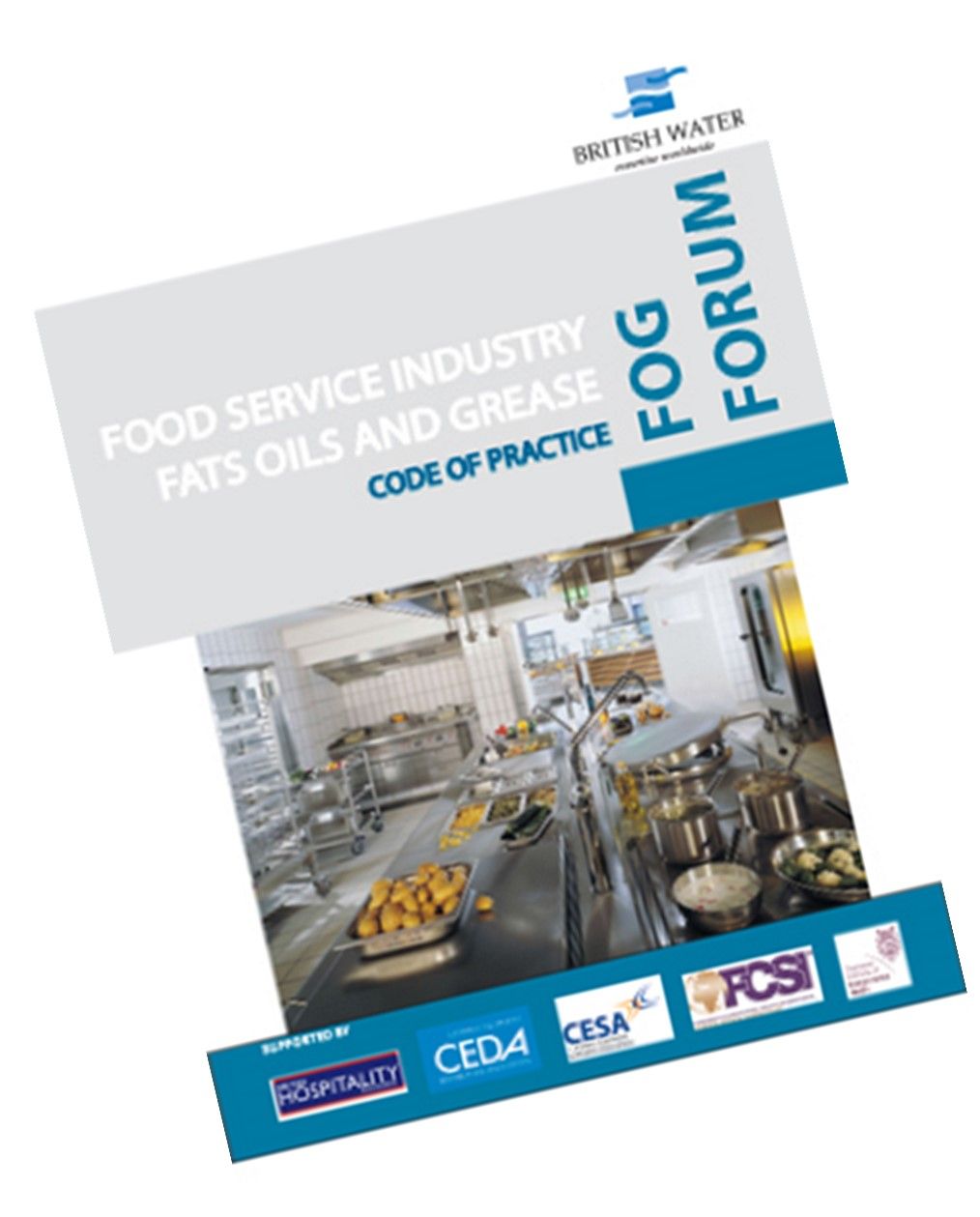
British Water Code of Practice on FOG
Background Information
Appendix C – Manufacturers
Ware-washing https://www.hobartuk.com/products/warewashing/all-about-washing/overview
https://www.winterhalter.com/uk-en/
https://www.hobartindependent.co.uk/
Ice machines
https://www.scotsman-ice.co.uk/
Softeners and filters
https://www.pentair.com/ (everpure)
RO
Appendix E- Hoshizaki’s guide to ice hygiene
Hoshizaki is the world’s largest manufacturer of commercial ice making equipment
Although not always recognised as such, ice is actually a food and the ice maker that makes it is food production machine which means that, as well as functionality, hygiene is crucially important as poorly made, stored or handled ice can potentially become a source of food poisoning. After all, the ice contained in the ice bin is a basic foodstuff in its own right, held in a non-refrigerated vessel!
Bad practice
The most common form of ice contamination occurs after the ice has been manufactured. Dirty, unsanitised ice scoops filling a rarely cleaned ice bucket placed on top of a bar top for customers to help themselves leaves much to be desired. Few of us would eat any food that had been through such handling process, yet the deceptively cool, clean appearance of ice diverts our attention from the micro-organisms it can so easily harbour.
Another dangerous practice which is not uncommon amongst people who are scrupulous in every other area of good hygiene, is to use the ice bin as a secondary ‘fridge’ storing bottles and even food – and here it is only education that will improve matters. These areas can, of course, be rectified by following proper procedures, but contamination can also occur within the ice maker itself and this can be caused by poor hygienic maintenance and lack of servicing.
Machine design
The only potential sources of danger at the ice manufacturing stage are air and water and it is therefore imperative to protect as far a possible against the harmful effects of both.
The siting of an ice maker is important. Too often they are slotted into any available space – typically damp cellars or other unventilated areas which are where the environment is at its poorest and aero bacteria are most profound. If this is the only option it is important to ensure that the ice maker has a tightly fitting door, rendering it airtight.
Without good insulation free bacterial growth can develop in ice storage bins. This manifests itself as a slimy deposit, which, unfortunately, is usually incorporated into the ice bin contents because of the abrasive action of the cubes as ice is collected.
Water is already pre-treated with chlorine to reduce bacteria levels, but water that is held in an ice machine for any time can become dangerous. Although no machines re-use melted ice any more, old water can become trapped in certain machines, providing the right conditions for bacterial growth to appear.
So what can conscientious bartenders do?
Thorough day to day housekeeping and regular maintenance, in combination with a high quality machine, are the most important factors. Reputable manufacturers will have ensured that their machines are as refined as possible and that their dealers and distributors are well informed in the installation, care and servicing requirements necessary to maintaining the highest quality.
The basic guidelines according to Hoshizaki, the world’s leading manufacturer of ice makers, are as follows:
PURCHASING
- Select a machine with a tight fitting door compete with a gasket or seal.
- Look for an ergonomically designed ice bin with radiused or rounded corners and with all areas visible and accessible.
- Avoid any machine that has interior joins, cracks or crevices in the ice bin.
- Look for a machine offering a rinse and flush cycle between each ice cycle, thus helping to eliminate water residues.
- Demand a substantial warranty. If a manufacturer is confident in a machine’s quality, this will be provided automatically.
MAINTENANCE
- Ensure all staff are aware of the dangers of contamination and understand how to prevent it.
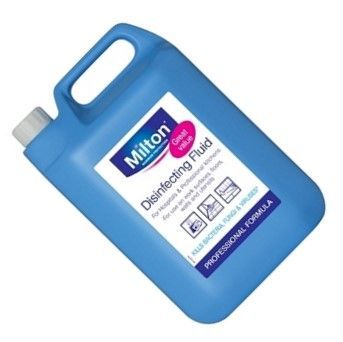
- Empty the ice bin completely at least once every week to clean and sanitise with a proprietary cleaning fluid such as Milton and rinsed thoroughly.
- Ensure all objects in touch with the ice – such as scoops, tongs and buckets – are also treated.
- Move ice storage vessels away from customer reach.
- Keep regular checks to make sure the machine is in good condition – especially the door, as broken or loose fitting doors are one of the most common faults to occur on ice makers.
PERIODICAL CLEANING
- Machine and Bin Exterior
- Wipe the exterior at least once per week with a clean, soft cloth. Use a damp cloth containing a neutral cleaner to wipe off grease or dirt.
- Scoop and Storage Bin Handle Cleaning/Sanitisation (Daily)
- Either mix 3 litres of water with 11 ml of 5.25% sodium hypochlorite solution in a suitable container, or the recommended Hoshizaki sanitiser as directed.
- Soak the scoop in the solution for more than 3 minutes. Rinse thoroughly, and shake to remove surplus liquid. Note: Using a cloth to dry may re-contaminate.
- Use a neutral cleaner to wash the storage bin handle. Rinse thoroughly.
- Soak a clean cloth with the sanitising solution, and wipe the handle. Use fresh water and a clean cloth to rinse/dry.
- Storage Bin Interior Cleaning/Sanitisation (Weekly)
- Open the storage bin door, and remove all ice. Note: Hoshizaki recommends various types of storage bin for the icemaker which vary in size and design. The following instructions are therefore for general guidance only.
- Wash the bin liner, ice deflector and door inner surface with a neutral non-abrasive cleaner. Rinse thoroughly with a clean cloth and fresh water.
- Either mix 5 litres of water with 18 ml of 5.25% sodium hypochlorite solution in a suitable container, or the recommended Hoshizaki sanitiser as directed.
- Soak a clean sponge or cloth with the solution, and wipe the bin liner, ice deflector and door inner surface.
- Rinse thoroughly with fresh water and a clean cloth to wipe off the solution. Close the bin door.
- Note: Some solutions may cause damage to the bin liner surfaces or corrosion on the metal parts. Always rinse the sanitiser unless directed otherwise by Hoshizaki guidelines.
- Air Filter
- Plastic mesh air filters remove dirt or dust from the air, and keep the condenser from getting clogged. If the filters get clogged, the icemaker’s performance will be reduced. Remove and clean the air filters at least twice per month:
- Slide the air filter off the louver.
- Clean the air filter by using a vacuum cleaner. When severely clogged, use warm water and a neutral cleaner to wash the air filter.
- Rinse and dry the air filter thoroughly, and place it in position.