

Why MCFT Engineers Always Check the Power Supply Before Working on Your Equipment…
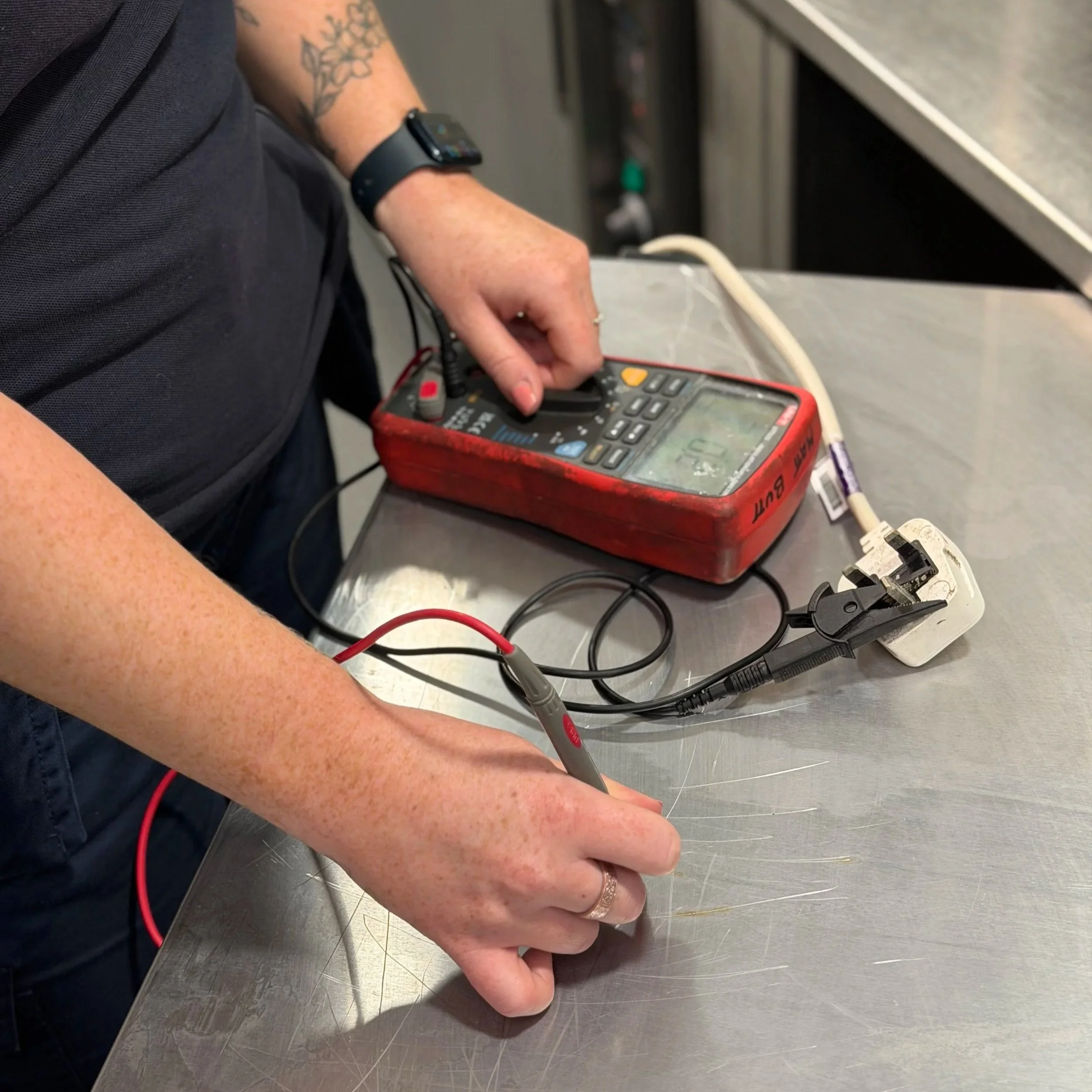
Safety starts before the toolbox is opened.
Have you ever noticed an MCFT engineer plugging a small tester into the electrical socket before starting work?
Or wondered why they carry out electrical safety tests before removing a single panel from your appliance?
It's all part of a simple philosophy:
Never assume the electrical supply is safe. Verify it.
The appliance isn't always the problem
When equipment develops a fault, it's natural to assume the appliance is to blame.
However, our engineers know that electrical supply problems can be just as dangerous as equipment faults.
Before starting work, we first confirm the electrical supply itself is safe.
Step One – Checking the Supply
Using an approved socket tester (such as a Martindale tester), our engineers quickly verify that the electrical outlet has been wired correctly.
This simple check confirms fundamental safety aspects such as:
A protective earth is present.
Live and neutral conductors are correctly connected.
Basic wiring faults that could present a danger are not immediately apparent.
Although this only takes a few seconds, it provides confidence that the appliance is connected to a correctly wired supply before any work begins.
It's important to note: a socket tester is a valuable first-line safety check, but it is not a substitute for a full electrical installation inspection or testing by a qualified electrician. If it indicates a potential wiring fault, further investigation is required.
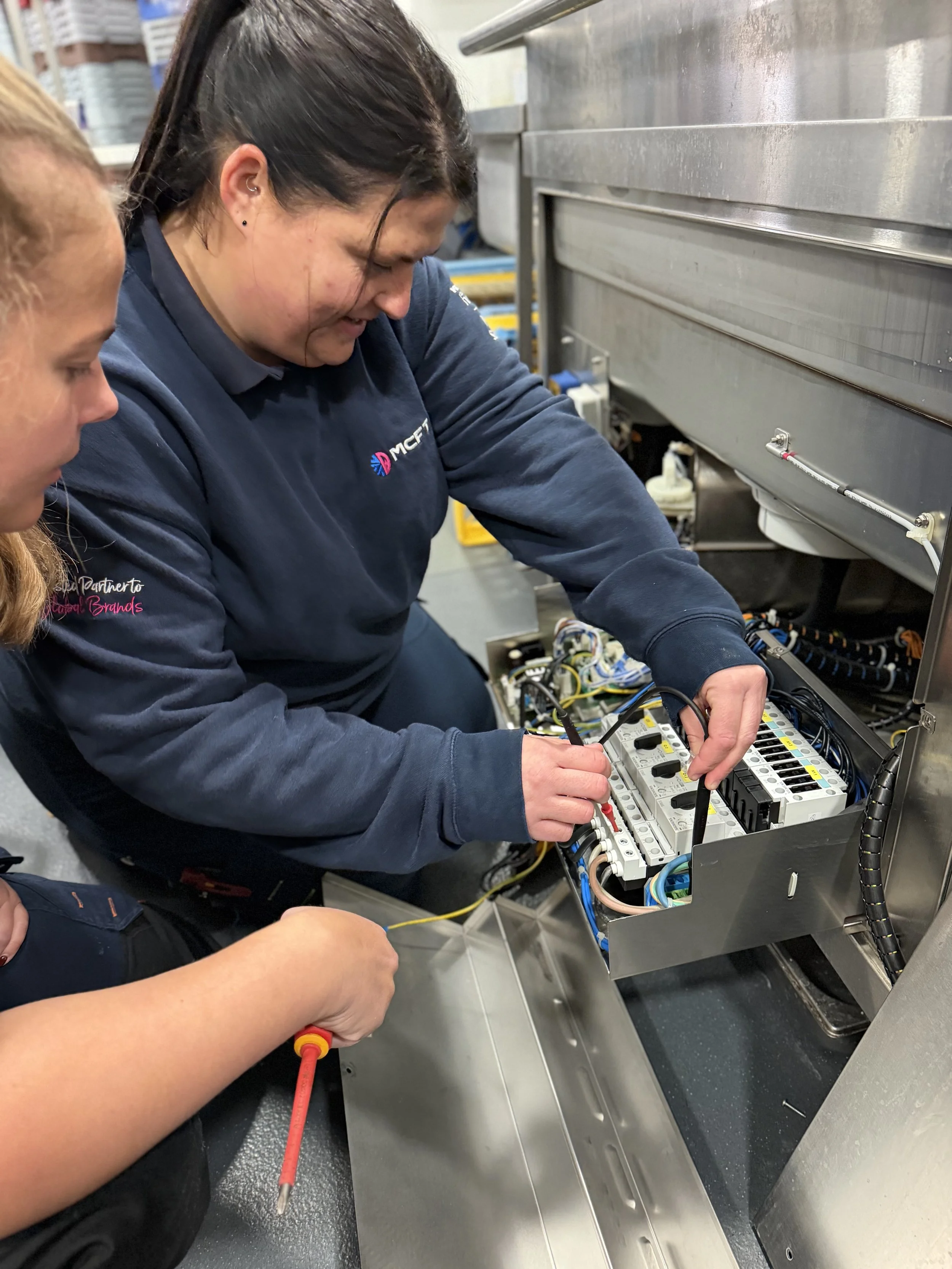
Step Two – Checking the Appliance Earth
Once the supply has been verified, we then carry out an earth continuity test on the appliance.
This confirms there is a continuous protective earth path between the appliance and the electrical installation.
If an internal electrical fault occurs, that earth connection allows protective devices such as an MCB, fuse or RCD to disconnect the supply rapidly.
Without an effective earth, exposed metal parts could become live.
What do the regulations say?
The Electricity at Work Regulations 1989 require electrical systems to be constructed and maintained so as to prevent danger.
In addition:
Health and Safety at Work etc. Act 1974 places duties on employers to protect employees and others from electrical risks.
PUWER 1998 requires work equipment to be maintained in a safe condition.
Manufacturers also require appliances to be installed on a suitable electrical supply that meets their installation instructions.
These checks help ensure we are working on equipment under safe electrical conditions before maintenance begins.
Why does MCFT do this?
Because safety should never be assumed.
Our engineers don't simply repair equipment—they verify that it's safe to work on first.
These checks take very little time but can identify potentially serious problems before they put people or equipment at risk.
It's one of the many ways we maintain high engineering standards on every visit.
What if a problem is found?
Occasionally, our engineers identify issues such as:
Incorrect socket wiring.
Missing or defective earth connections.
Damaged plugs.
Loose electrical connections.
Signs of overheating.
If a safety concern is identified, we'll explain the issue, make the equipment safe where necessary, and recommend the appropriate corrective action before returning the appliance to service.
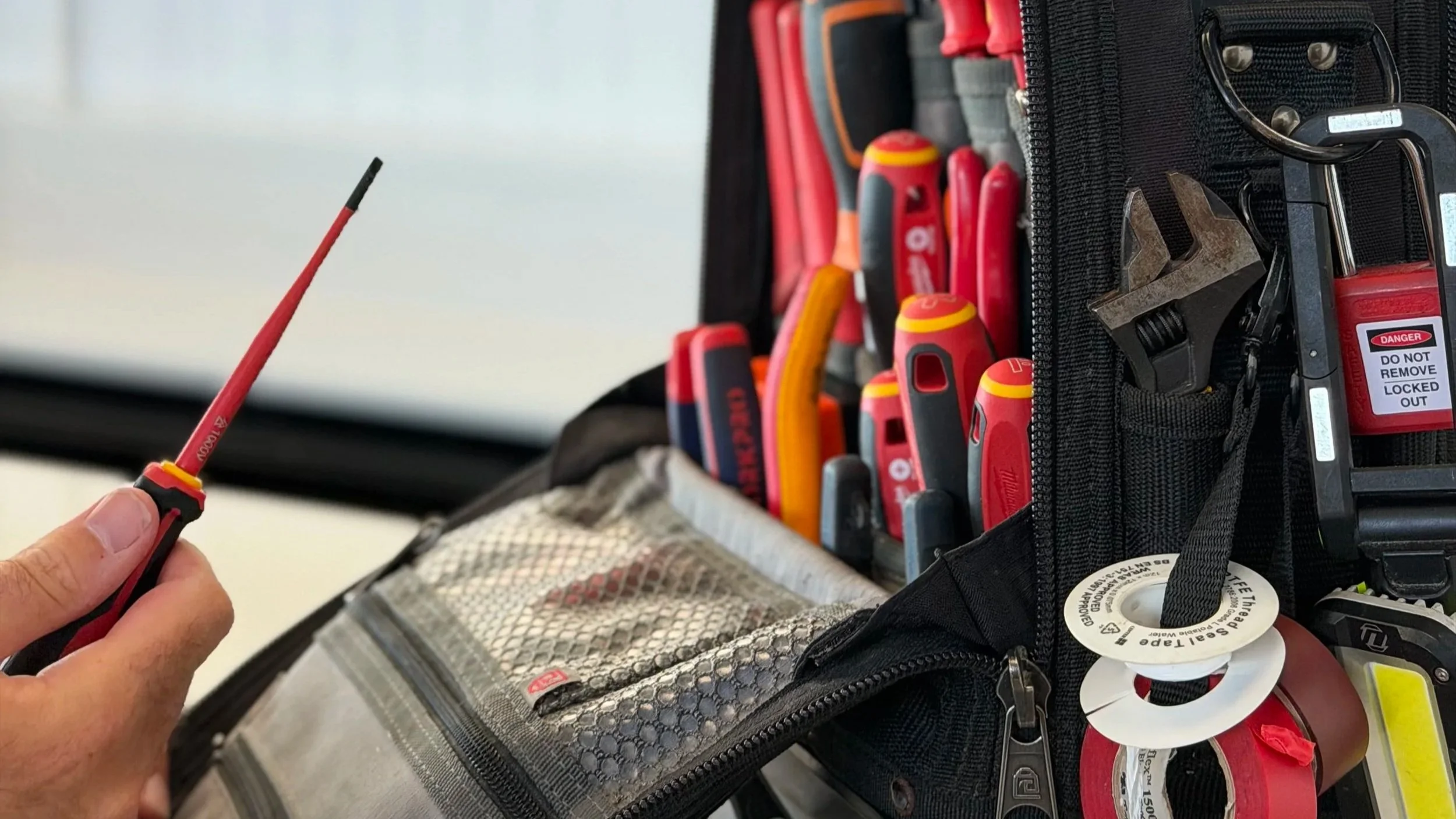
Engineer's Insight
"Every year we find incorrectly wired sockets, damaged earth connections and electrical defects that customers were completely unaware of. That's why we never assume an electrical supply is safe simply because the appliance switches on. We always check first."
Need advice?
If you're experiencing recurring electrical faults, damaged sockets or concerns about the condition of your catering equipment, speak to your MCFT technician. We're always happy to explain the safety checks we carry out and why they're an essential part of professional maintenance.