

Tech Tips - Hard Water Management in Commercial Kitchens
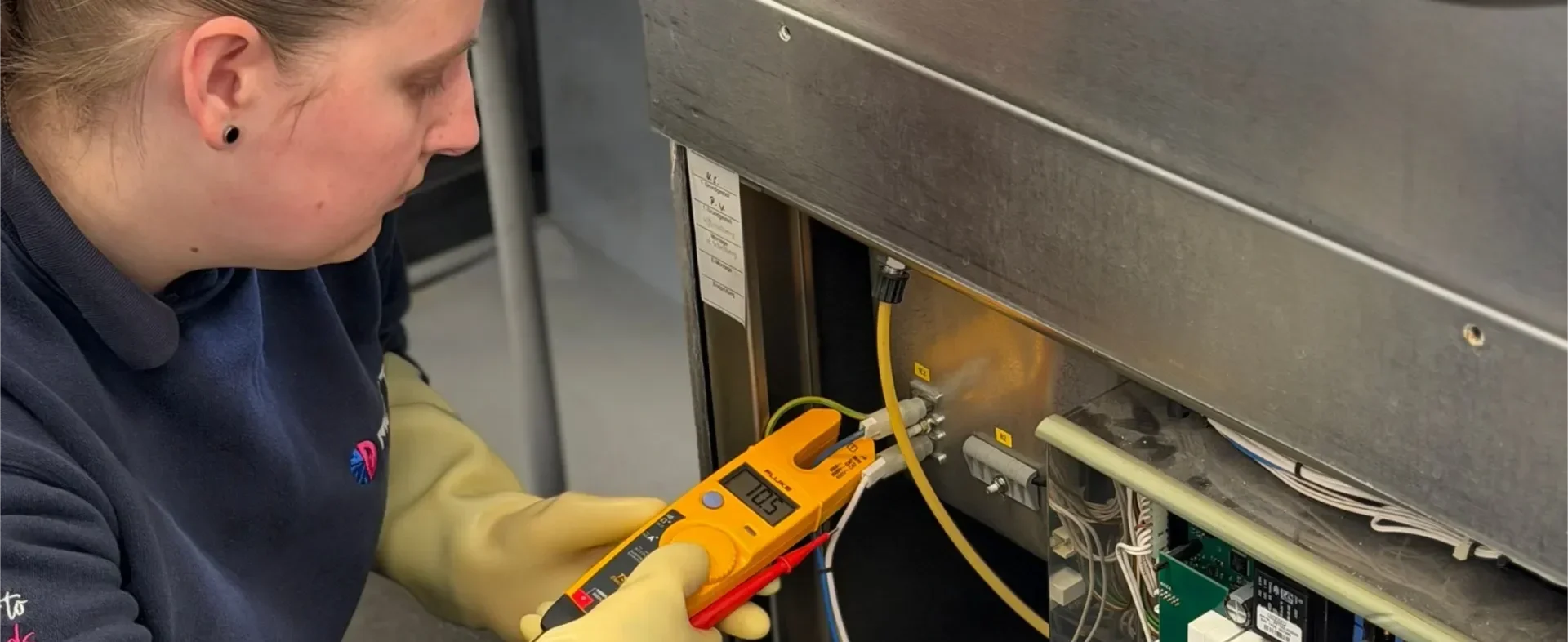
MCFT technician working on a dishwasher.
Water is the one ingredient every commercial kitchen uses constantly; in combi ovens, dishwashers, glasswashers, ice machines and coffee equipment. Yet one of the most damaging and costly issues affecting kitchen equipment is it’s hard water.
Hard water contains dissolved minerals, primarily calcium and magnesium. When water is heated, those minerals separate and form limescale. In a commercial environment where water is heated repeatedly and continuously, scale build-up can happen far faster than many operators expect.
Managing hard water properly isn’t optional it’s essential for performance, efficiency, warranty protection and long-term cost control.
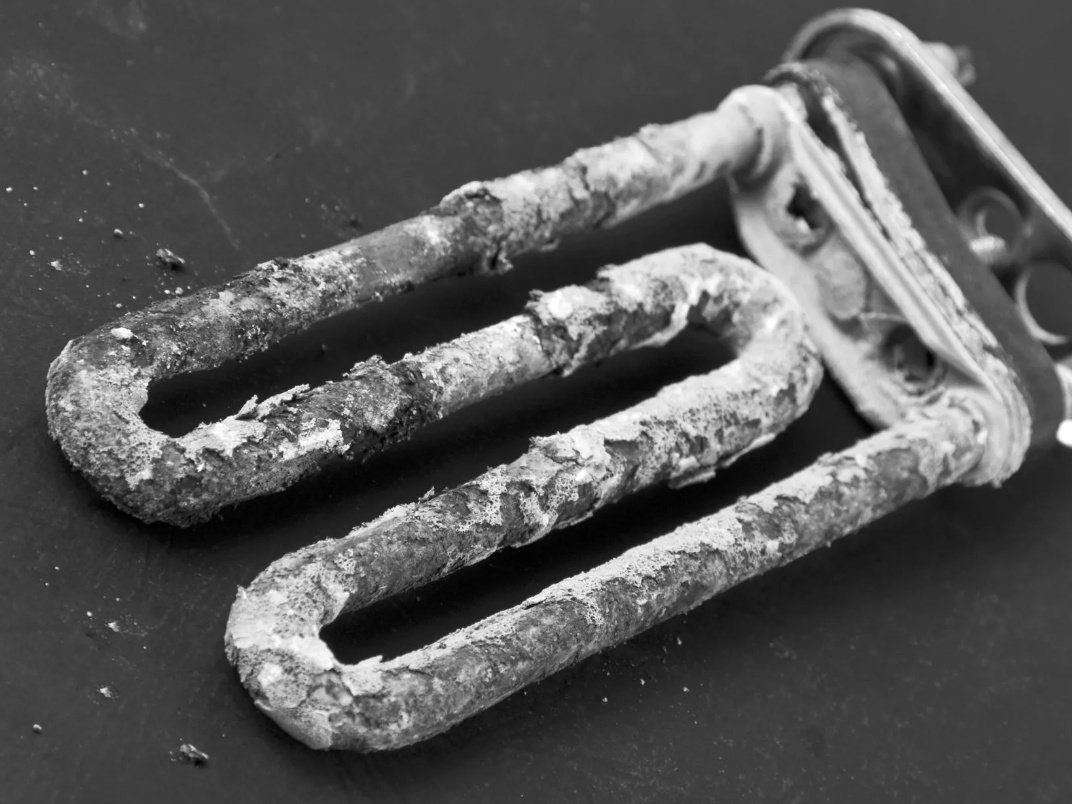
Hard water damage on dishwasher component.
What Hard Water Really Does to Your Equipment
Limescale doesn’t just look unsightly, it acts as an insulator and a blockage.Inside commercial kitchen equipment, scale:
Coats heating elements, reducing heat transfer efficiency
Blocks spray jets in dishwashers and glasswashers
Restricts water flow in solenoids and valves
Builds up in steam generators in combi ovens
Causes level sensors to misread water presence
This results in: Longer heat-up times, increased energy consumption, poor wash results, temperature instability and eventually component failure.
In combi ovens especially, scale inside the steam boiler or generator can quickly lead to error codes, overheating and expensive repairs.
Protecting New Equipment
One of the biggest misconceptions in commercial kitchens is that water treatment can be “added later.” By the time scale becomes visible, damage has often already started internally. When installing new equipment, the correct approach is:
Test the incoming water hardness.
Hardness levels vary significantly by region, even within the same town.Specify the correct water treatment solution before commissioning.
Manufacturers often state maximum hardness levels in their installation manuals — exceeding these can invalidate warranties.Ensure the filtration system is sized for the throughput of the machine.
An undersized filter serving a high-volume dishwasher will exhaust rapidly and provide little real protection.
Protecting equipment from day one prevents premature scaling of heating elements and internal pipework, which is much harder (and more expensive) to reverse later.
Dishwashers & Glasswashers
In ware washing equipment, hard water is often first noticed as spotting or streaking on glasses. However, the cosmetic issue is only the surface problem. Scale inside a dishwasher can:
Block rinse arms and jets
Affect rinse temperatures
Reduce detergent effectiveness
Cause tank heating elements to overwork
Operators often compensate by increasing chemical dosing, which raises operating costs without addressing the root cause. Proper water treatment reduces the need for excessive detergent and ensures rinse temperatures remain consistent.
Combi Ovens
Combi ovens are particularly vulnerable because they rely on steam generation. When hard water is heated to produce steam, mineral deposits form rapidly inside the steam system. If unmanaged, this can lead to:
Steam output reduction
Inconsistent cooking results
Overheating elements
Pump and valve failures
Expensive descaling interventions
Regular automatic wash cycles do not remove heavy scale deposits, they are designed for grease removal, not mineral build-up. This is why manufacturers often insist on integrated filtration systems.